
Government security built around mission and public service
Protect public-facing operations, staff zones, records and infrastructure with a risk-based plan and controlled continuity procedures.
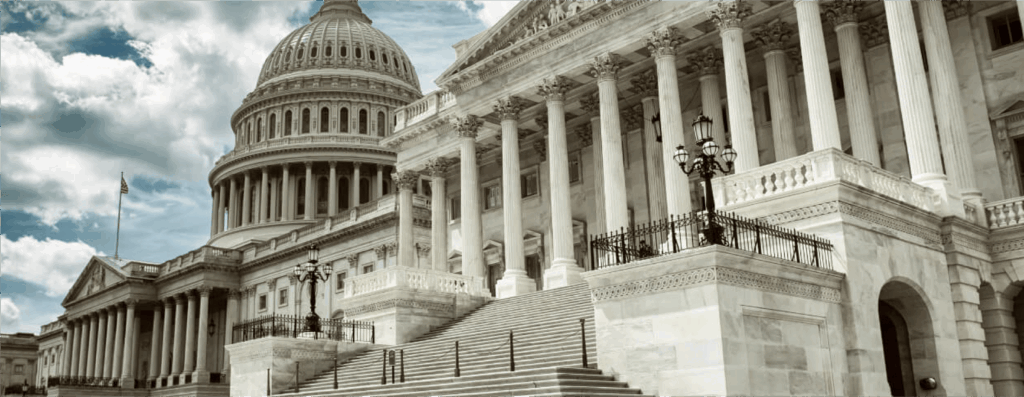
Start with the operating environment
Government facilities range from public counters and meeting spaces to administrative offices, evidence or records areas, utilities and mission-specific operations. The security plan must begin with the facility risk assessment, public services, hours, occupancy, shared tenants, deliveries and continuity obligations. A city office, courthouse, operations center and scheduled maintenance facility must not receive interchangeable controls merely because they share an owner.
The public journey needs clarity and accessibility. Entrances, waiting, service points, hearings and meeting rooms must guide visitors without exposing staff circulation or controlled areas. Visitor and vendor rules require sponsor, destination, escort, temporary credential and expiration decisions. Shared buildings also need a clear boundary between base-building, tenant and agency responsibilities.
Security zones that need different decisions
A government facility security scope must distinguish these operating areas before equipment is selected.
Build the system around owned workflows
Layered protection can include physical layout, electronic access, visitor processing, video, intrusion, duress and intercom. Least privilege and separation of duties must apply to users, administrators and evidence. Security workstations, controllers, recorders and network paths need protected locations. Door behavior must be coordinated with accessibility, fire/life safety, emergency egress and approved responder access.
Sensitive information handling matters throughout the site program. Public-facing pages can explain capabilities, but precise device locations, floor plans, vulnerabilities and response timing must remain in protected records under the agency’s policy. Integrations and remote access require named owners, supported interfaces, logging and recovery. Temporary construction or service access must not become persistent privilege.
Visitor governance
Use sponsor, destination, escort, expiration and auditable exceptions.
Role-based access
Separate public, staff, restricted and shared-tenant privileges.
Video and evidence
Define public-area purpose, restricted access, retention and authorized export.
Continuity controls
Coordinate duress, alarms, backup power, communications and restoration.
Test the operating result—not only the devices
Acceptance must test public entry, staff roles, sponsored visitors, delivery and vendor access, denied credentials, held or forced doors, duress, alarm verification, video retrieval and the approved emergency or continuity procedure. Simulations must be coordinated so they do not trigger unintended dispatch. Power and communications scenarios must verify alternate operations, event retention and controlled restoration.
Closeout must identify zones, user roles, door functions, camera purposes, visitor procedure, alarm routing, retention, integrations, continuity and test findings. Access recertification, visitor-policy review, evidence control, device health, firmware, configuration backup and emergency contact scheduled maintenance need agency owners. Review the deployment design after mission, tenant, construction, threat or emergency-plan changes.
| Scenario | Required outcome | Acceptance evidence |
|---|---|---|
| Public visit | Clear accessible route without staff-area exposure | Observed journey and exception test |
| Vendor work | Sponsor, bounded access and automatic expiration | Access audit and closeout |
| Duress or alarm | Owned notification and coordinated response | Controlled exercise timeline |
| System outage | Approved alternate operation and recovery | Continuity and restoration evidence |
Questions the deployment design must answer
- What mission and public services must continue during disruption?
- Where do public, staff, shared and restricted zones transition?
- Which visitor and contractor exceptions require escort or approval?
- What information and drawings require protected handling?
- How do accessibility, egress and responder access shape the deployment design?
- Who owns administration, evidence, monitoring and continuity review?
Frequently asked questions
Should every government facility use the same deployment design?
No. Mission, public access, occupancy, threats and continuity differ.
Can detailed drawings be posted publicly?
Sensitive layouts and response information must follow the agency’s handling policy.
How must temporary visitors be controlled?
Use sponsorship, destination, bounded privilege, escort rules, expiration and audit.
What belongs in continuity testing?
Alternate procedures, event retention, power/communications behavior and recovery.
Official deployment planning resources
These public government facility security resources provide deployment planning context; site program requirements still need site- and jurisdiction-specific review.
Detailed deployment planning and product-family guides
Explore the detailed government facility security guides below to compare options, dependencies and site program decisions.
Plan your government facility security site program
Share the operating schedule, existing systems, known risks and desired timing for this government facility security environment. We can help define the survey, deployment design and acceptance work.
Start a site program conversation